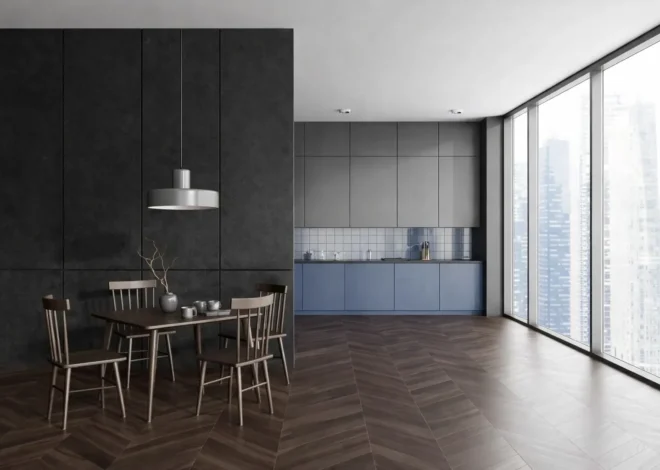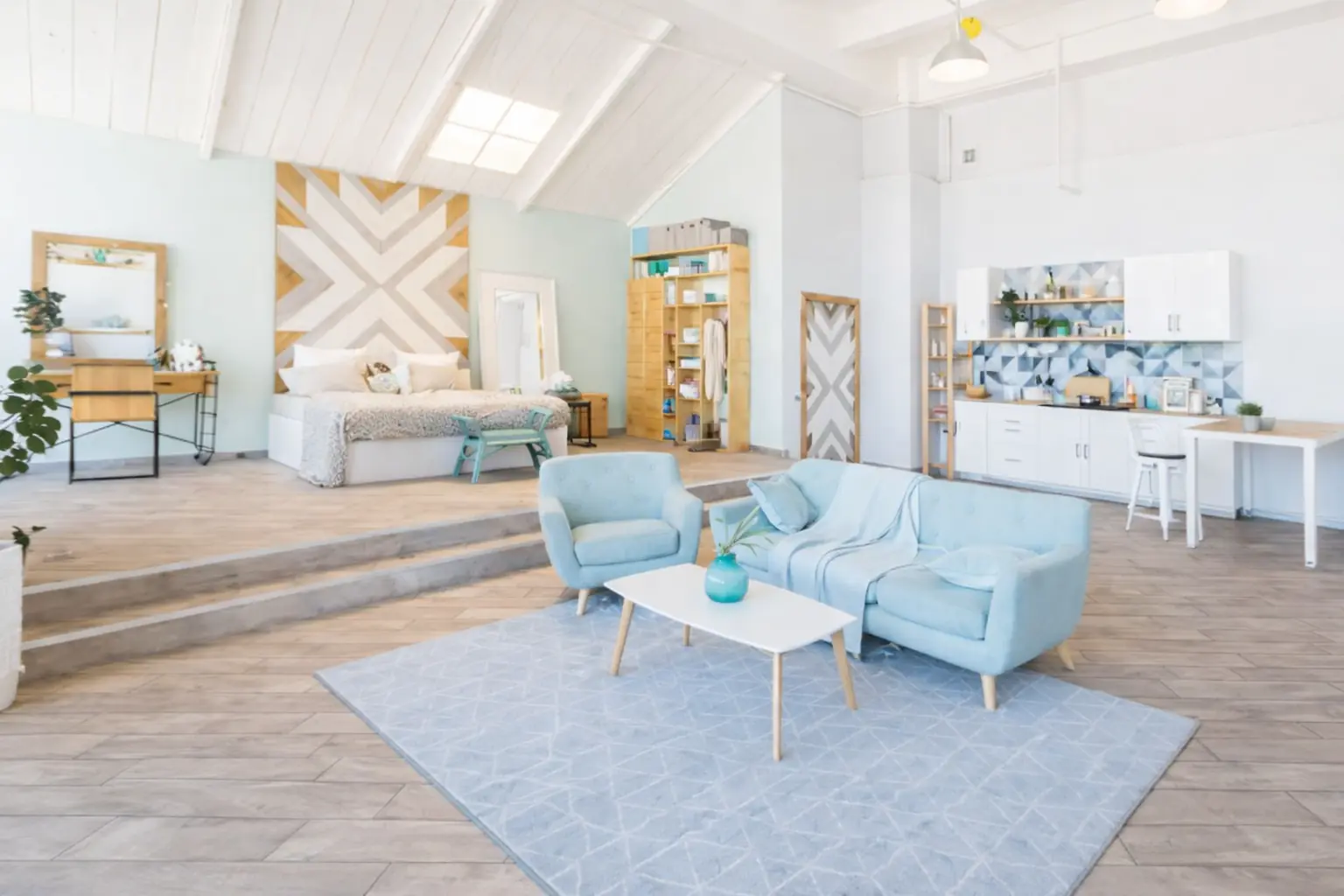
5 different types of houses
body{ color:#646464; font size: 15px; font family: ‘NOTOSANSREGULAR’; }
h2{ font-family:’Heading2Font’; font size: 23px; }
h3{ font-family:’Heading2Font’; font size: 20px; }
/* LIST STYLE */
ol { counter-reset: item; left margin: 20 px; }
ol > li { position: relative; padding left: 25 px; bottom margin: 10 px; counterincrement: item; }
ol > li::before { content: counter(item) “.”; position: absolute; left: 0; }
ul { liststyle: none; left margin: 20 px; }
ul li { position: relative; padding left: 18 px; bottom margin: 8 px; }
ul li::before { content: “”; position: absolute; left: 0; top: 8px; width: 6px; height: 6px; background: #000; border radius: 50%; }
/* Table of contents */
.toc-container { border:1px solid #e5e5e5; padding: 20px; border-radius: 12px; background:#fafafa; margin: 20px 0; }
.toc-title{ font-size: 18px; bottom margin: 10 px; color: #000; }
.toc-container a{text-decoration:none; color: #000; }
.toc-container a:hover{ text-decoration:underline; }
html { scroll behavior: smooth; }
Scroll through social media and every living room starts to look the same. Beige sofa, fluted panel, cornice lighting, and repeat. A 2BHK apartment in Bangalore does not work like a seafront duplex in Mumbai, as each is a different type of house with its own layout and requirements. Different types of houses in India require a completely different planning approach. Good design is not about trends. It’s about understanding the structure, scale and lifestyle realities of the house itself.
Why do different types of homes require different interior design approaches?
Before choosing finishes or furniture, designers first identify the types of homes they are working with. Because traffic flow, ceiling heights, privacy levels, and even noise patterns vary greatly. A compact Mumbai apartment has shared walls and limited natural light on some sides. A standalone villa in Bangalore could feature cross ventilation and double height spaces.
When you ignore these differences and apply generic ideas, the house seems forced. When you answer it thoughtfully, the house feels intuitive. Understanding the different types of homes is the first step. Adapting the design to them is where the expertise shows.
How do designers adapt to different types of homes?
Let’s look at the most common types of named houses in India and how the design changes for each of them:
-
Apartments
High-rise buildings dominate cities like Mumbai. Interior designers in Mumbai have to design homes according to this constant space constraint. Some of their top priorities include:
• Enabling intelligent circulation in compact configurations
• Build concealed storage space to avoid visual clutter
• Added light-reflecting finishes to maximize brightness
• Recommend noise-friendly materials due to shared walls.
Storage becomes a science, lobbies are smaller, bedrooms are tighter and every inch has to work harder. Instead of bulky free-standing units, designers prefer built-in cabinets, mezzanine storage and multi-purpose furniture. Sustainability is also important, as apartment living often means higher usage density.
-
Builder Floors
Common in parts of Bengaluru, builder floors offer more horizontal space than apartments but less openness than villas. Here, vertical planning becomes important. Ceilings aren’t always very high, so heavy drop ceilings can make rooms feel compressed. The design approach includes:
• Balanced ceiling treatments
• Zoned lighting rather than uniform brightness
• Vertical storage units that do not block windows
• Defined family and guest spaces for added privacy
Each floor being independent, the circulation planning must clearly separate private rooms from social spaces.
-
Villas
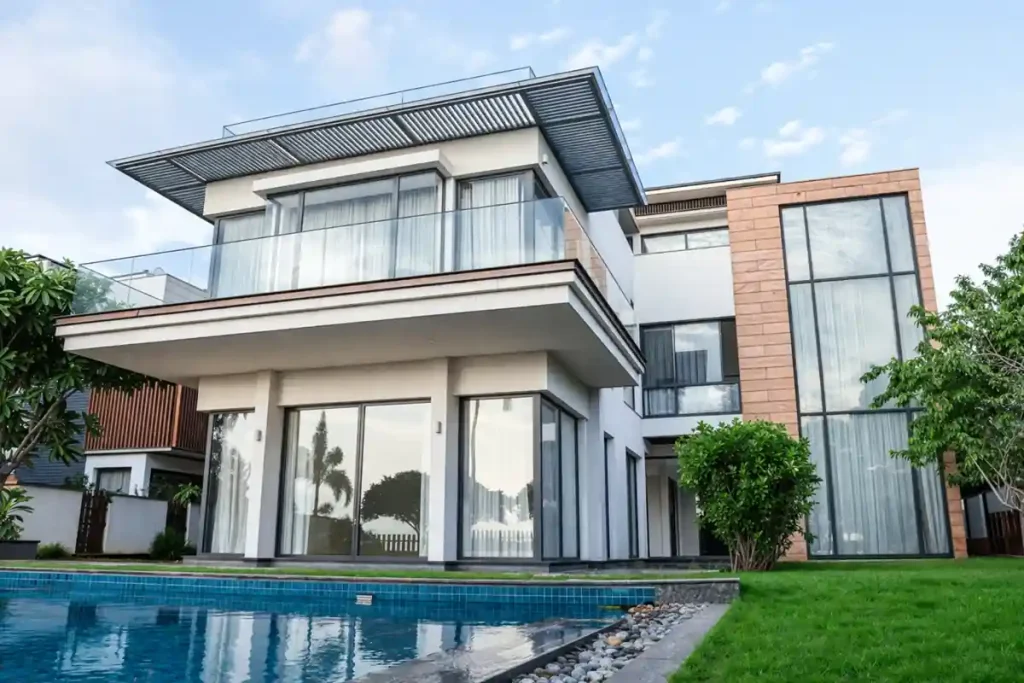
The villas are a complete game changer. They typically offer larger floor plates, open staircases, exterior connections and higher ceilings. In villas, storage is less about concealment and more about zoning. Separate walk-in closets, laundry rooms, and storage areas are common.
The choices of materials are also expanding. You can use expressive finishes like natural stone, textured wood, or statement lighting because scale supports it. The design here is about layering, not compressing.
-
Duplex Houses
Duplexes fall somewhere between apartments and villas. They offer vertical separation but in a compact footprint. Design emphasis includes:
• Clear separation between private upper floors and social lower floors
• Balanced lighting on two levels
• Smart storage under the stairs
The challenge with duplex houses is visual continuity. If the two levels seem stylistically disconnected, the house loses its flow.
-
Studio houses
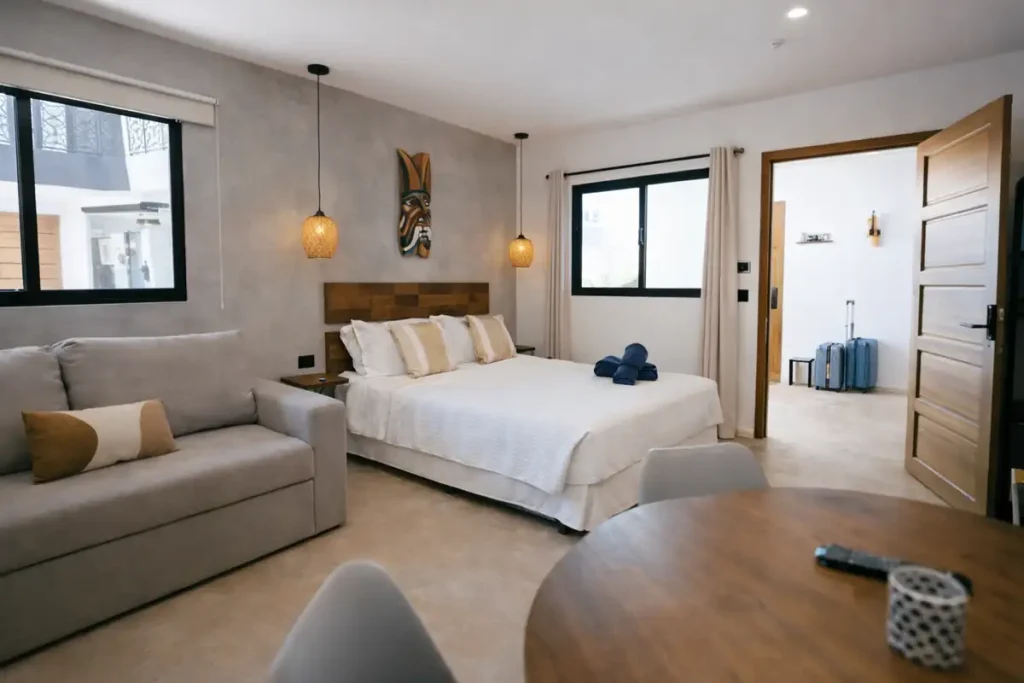
Studios are among the most functional of all the different types of housing. Every square foot must be multitasking. The design strategy revolves around:
• Multifunctional furniture
• Foldable or sliding partitions
• Storage integrated into beds and seats
• Light and neutral finishes to avoid visual heaviness
In cities like Mumbai, studios are often occupied by working professionals. This means seamlessly combining an office, entertainment area and sleeping space. Flexibility is more important than decorative details here.
How can your storage strategy evolve depending on the type of housing?
It’s in storage where the difference becomes evident. In the apartments, hidden storage spaces avoid clutter. In builder’s floors, vertical cabinets optimize height without blocking air circulation. In the villas, storage is zoned with linen rooms, utility sections and corridors dedicated to wardrobes. In studios, storage is hidden in furniture, such as beds with drawers and sofas with compartments.
When designers treat all homes the same, storage is either overwhelmed or underperforms.
Why does the type of house affect material choices?
The choice of materials strongly depends on the type of house. Apartments benefit from durable laminates, engineered wood and low-maintenance finishes. Heavy traffic and limited ventilation require practicality.
Villas allow for bolder materials like natural stone, veneer or textured walls because the environment supports them. Rental homes or heavy-use family homes need scratch-resistant surfaces and easy-to-clean finishes. The problem is not between luxury and budget. The point is adequacy.
Why is ceiling height important when choosing your lighting?
Lighting design differs in different types of homes. Apartments with standard ceiling heights cannot support heavy, stacked drop ceilings without feeling compressed. Villas with double-height areas require layered lighting strategies to avoid dark voids. Builder floors may require dedicated lighting zones to clearly define spaces. Instead of copying a trend, lighting should respond to volume and scale.
How Bonito Designs Approaches Each Type of Home
At Bonito Designs, the starting point is never just style; it’s the structure.
Through their LifeDesign philosophy, the team studies the way the house is inhabited. Who wakes up first? Where does clutter accumulate? How often do guests come? Are the children studying at home? Do animals need corners?
With extensive experience in apartments, villas, duplexes and builder floors in cities like Bangalore and Mumbai, Bonito understands that planning logic should guide design decisions. Their end-to-end model covers design, in-house execution, structured quality checks and final handover through ISO certified processes. This means storage planning, material selection and layout adjustments are aligned from concept to completion.
Because good design starts with understanding the house itself. When interiors respond to the different types of homes they belong to, the result looks natural, functional and durable. Book your consultation with Bonito today!
PakarPBN
A Private Blog Network (PBN) is a collection of websites that are controlled by a single individual or organization and used primarily to build backlinks to a “money site” in order to influence its ranking in search engines such as Google. The core idea behind a PBN is based on the importance of backlinks in Google’s ranking algorithm. Since Google views backlinks as signals of authority and trust, some website owners attempt to artificially create these signals through a controlled network of sites.
In a typical PBN setup, the owner acquires expired or aged domains that already have existing authority, backlinks, and history. These domains are rebuilt with new content and hosted separately, often using different IP addresses, hosting providers, themes, and ownership details to make them appear unrelated. Within the content published on these sites, links are strategically placed that point to the main website the owner wants to rank higher. By doing this, the owner attempts to pass link equity (also known as “link juice”) from the PBN sites to the target website.
The purpose of a PBN is to give the impression that the target website is naturally earning links from multiple independent sources. If done effectively, this can temporarily improve keyword rankings, increase organic visibility, and drive more traffic from search results.