Minimalist interior design in India that feels lived in
body, ul, li, div, span, a { font-family: ‘Heading2Font’ !important; font weight: 400 !important; }
p, b { font-family: ‘NOTOSANSREGULAR’ !important; font weight: 400 !important; }
h1, h2, h3, h4, h5, h6 { font-weight: 400 !important; }
h1 { font-family: ‘Heading1Font’ !important; font size: 26px !important; }
h2 { font-family: ‘Heading2Font’ !important; font size: 23px !important; }
h3 { font-family: ‘Heading2Font’ !important; font size: 20px !important; display: online !important; margin: 0 !important; }
Minimalism has long been associated with simplicity, but also with spaces that can seem stark. In Indian homes, where daily cooking fills the air with aromas, family members are constantly moving between rooms, and storage needs gradually multiply over time, the idea of a “bare” home may seem unrealistic. For many, this disconnect creates hesitation around the idea of minimalist interior design in India.
The reality? Minimalist interior design in India can be warm, welcoming and highly functional when informed by thoughtful material choices and details that suit Indian homes.
Let’s explore how minimalist Indian homes can feel cozy rather than empty.
What Minimalism Really Means in Indian Homes
Minimalist interior design in India is not about living with nothing. It’s about living with what matters. It’s about organizing your space so that each item serves a purpose.
Minimalist Indian homes emphasize open spaces, clean lines, limited decor, functional furniture and natural materials.
But when minimalism ignores Indian lifestyles or climate, spaces can seem sterile. The key lies in balancing aesthetics and warmth through materials and textures suited to Indian conditions.
Warm colors and earthy palettes that work in Indian light
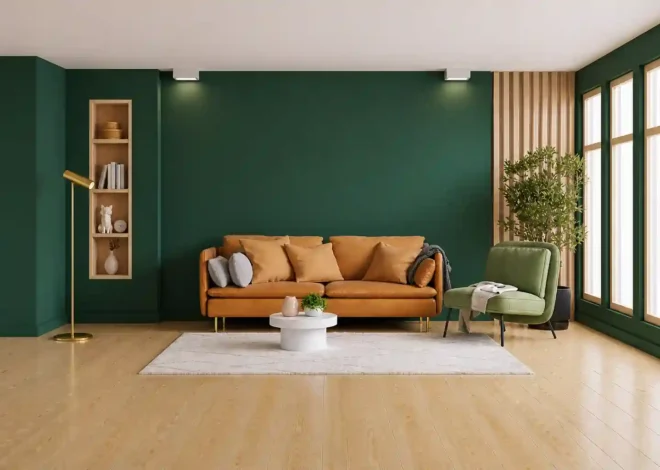
A misconception about minimalist interior design in India is that it has to be all white. In fact, warm, minimalist interiors embrace earthy tones that look beautiful in the bright Indian light while hiding dust.
For Indian homes, palettes like beige, cream, sage green, terracotta or sand gray come in handy. These soft neutral tones support minimalism but look natural. They also age better with daily cooking, humidity and dust.
Layering shades in the same family creates richness without clutter, avoiding emptiness while remaining practical.
Natural textures and materials add comfort without bulk
Minimalist interior design in India thrives on clarity and not sterility. Natural textures and materials adapted to the Indian climate make the spaces welcoming.
Incorporating tactile elements like wood, jute, linen, cane and stone impart warmth. These materials resist humidity and heat well.
Warm wood finishes like teak bring an organic quality while being durable. Woven textiles like linen curtains add softness underfoot, comfortable for barefoot living. Handcrafted details like terracotta pottery provide convenient storage while adding warmth.
Balancing Light to Suit Indian Homes
Lighting plays a major role in how minimalist and warm interiors are perceived in Indian apartments.
Cool white lighting shows dust and appears sterile. Warm, layered lighting transforms the space.
Warm ambient lighting (2700K-3000K) reduces glare in the evening. Accent lighting creates depth without taking up space. Sheer curtains diffuse the sun while maintaining privacy.
Natural light is abundant in most Indian homes, making simple spaces feel expansive. Where warm, limited artificial lighting enhances texture.
Meaningful decor with restraint
Minimalist interior design in India often has a reputation for being empty because the focus is on fewer decorative elements, not zero. But the objects chosen can tell a story while serving a practical purpose.
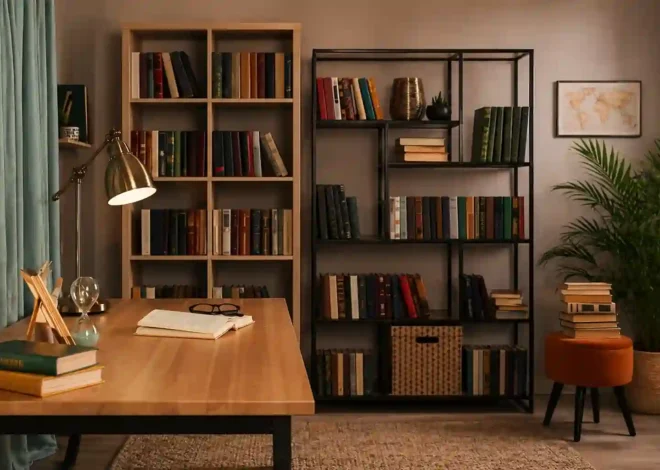
A single large piece of art that defines a wall. A handcrafted ceramic piece placed with intention. An organized library. Houseplants that thrive in Indian conditions, filtering dust without crushing it.
These elements become focal points because they are limited and thoughtfully placed. This gives minimal Indian homes an intentional, expressive look without visual overload or maintenance burden.
Open Layouts That Work for Indian Families
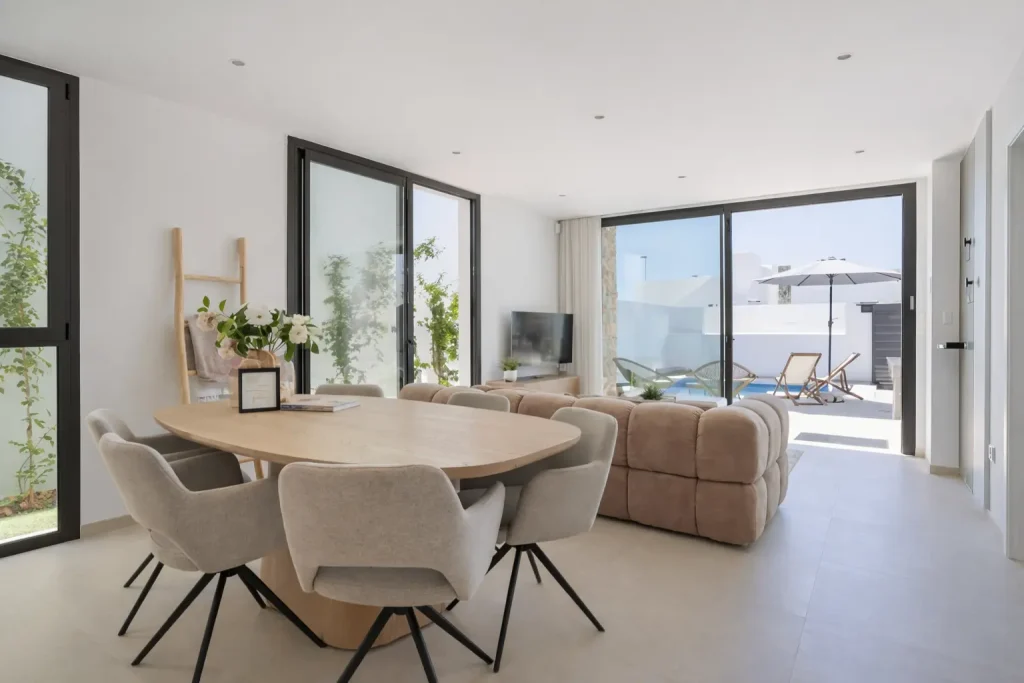
One of the reasons why minimalist interior design in India can seem cold is when furniture is too far apart, creating dead space. In Indian homes where families gather frequently, minimalism should celebrate a positive space for movement and interaction.
Open floor plans facilitate flow in small Indian apartments. Even in compact 2BHK layouts, careful placement of seating and rugs creates cozy conversation zones.
Blending adjacent areas, like living in the dining room, helps bring the space together. Low partitions define areas without blocking sight lines or airflow, which is valuable in Indian homes where cross ventilation is important.
Personal touches and cultural context in Japandi India style
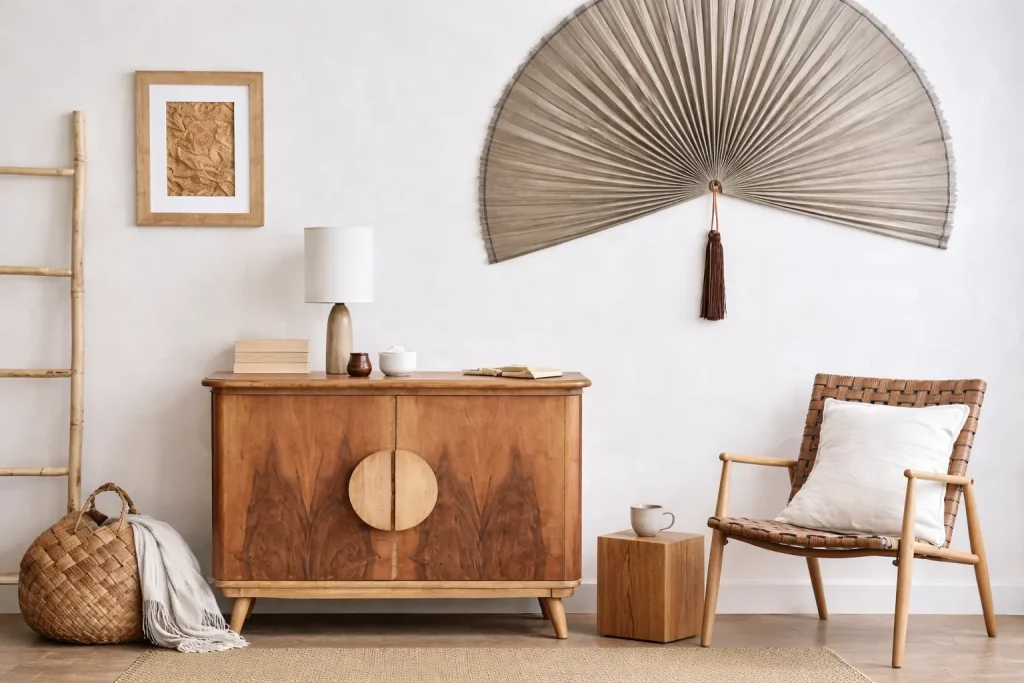
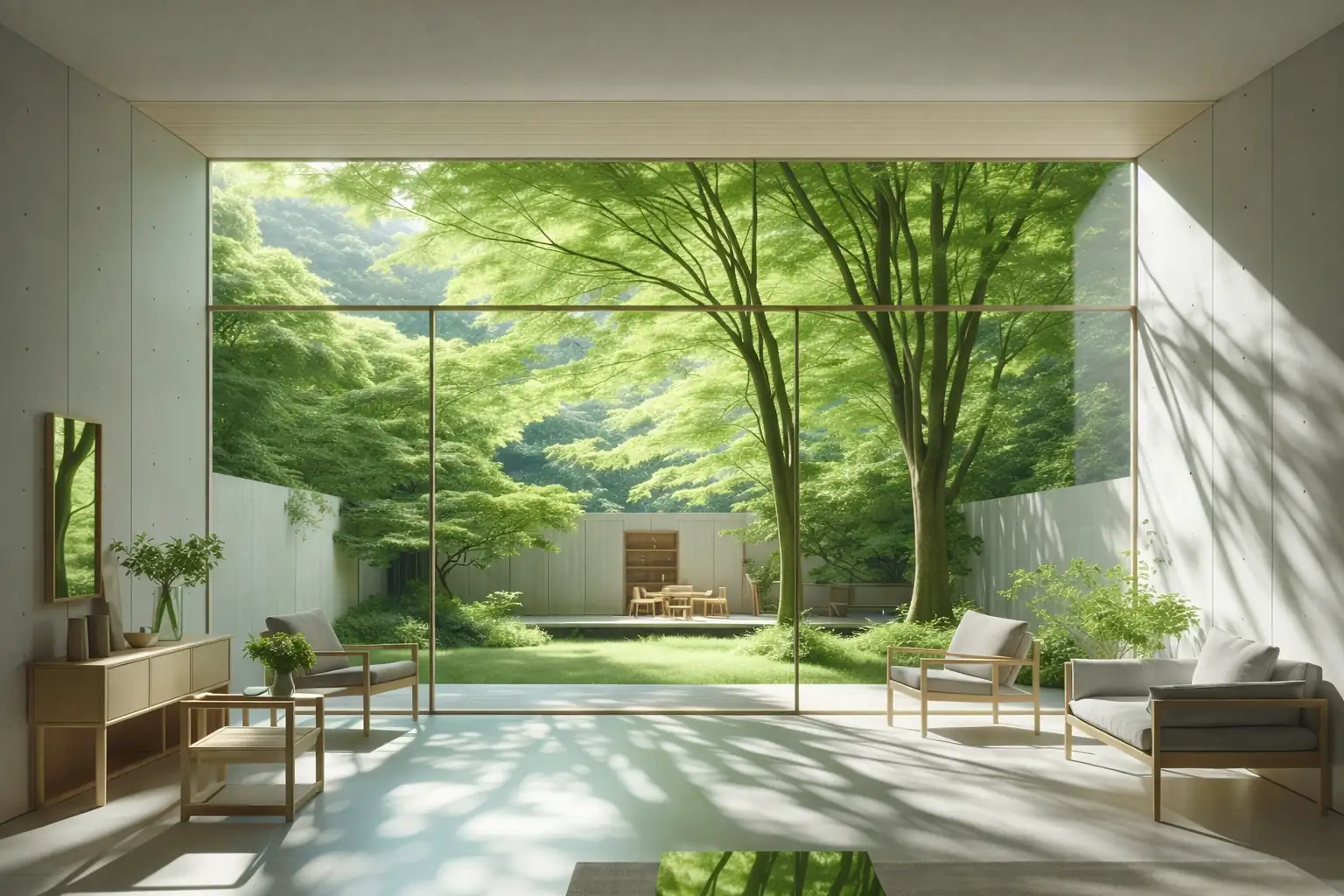
Minimalist interior design in India does not have to forgo cultural richness in favor of modesty. The Japandi India style, which combines Japanese minimalism, Scandinavian warmth and Indian craftsmanship, is growing in popularity because it appears both refined and grounded.
Minimalist Indian homes often incorporate subtle traditional references: pieces made by local artisans, hand-woven textiles or thoughtful plants that reflect heritage without being overwhelming.
Japandi feels at home in Indian spaces for reasons beyond its use of wood and other natural finishes. At its core, the style values thoughtful living, which closely matches the way many Indian homes function. Comfort, air circulation, barefoot living and flexibility are all factors that matter in everyday life, especially for large Indian families.
Discreet seating, gaddas or floor cushions and solid wood furniture are all traditional elements of Indian households that nevertheless maintain a simple and uncluttered overall look. The emphasis is not on aesthetics, but on utility. Each item in the home should earn its place by being a practical addition while remaining warm and welcoming.
Japandi also works well with India’s diverse weather conditions. Lightweight, breathable fabrics and open layouts promote better ventilation. Instead of layering decorative accents, this style allows a few meaningful pieces to stand out. For example, a khadi textile, a small brass diya or perhaps a handmade clay vessel can all become attractive decorative pieces when your layout emphasizes simplicity.
How Bonito Designs Creates Warm, Minimalist Indian Homes
At Bonito Designs, minimalist interior design in India is about clarity and comfort, not emptiness. We ask you what creates chaos in your routine, what storage you need and what elements provide real comfort.
Our LifeDesign approach takes into account the way Indian families live. Do you cook daily and need hidden storage? Does dust accumulate quickly, requiring easy-to-clean surfaces? Do you walk barefoot and need comfortable flooring?
Through in-house execution and ISO certified processes, we ensure that warm, minimalist interiors deliver aesthetics and practicality. We select materials that age well in the Indian climate, design storage that keeps surfaces light, and plan lighting that adapts from bright mornings to balmy evenings.
This is what Japandi India style looks like when built for real Indian living: spaces that are calm and uncluttered, but also warm, functional and undeniably yours.
Minimalism that seems lived-in
Successfully implementing minimalist interior design in India does not mean erasing the personality of your home. When applied wisely, minimalism emphasizes what’s important: functional living, meaningful objects, and an uncluttered calm that suits the way you live.
Real takeaways for Indian households:
Limit items, but organize what’s left to fit your routine. Use warm neutral textures and tones that hide dust and age gracefully. Plan lighting that suits India’s bright days and evenings. Let natural light and cross ventilation create serenity. Add custom accents that tell your story without creating a maintenance burden.
These principles ensure that your minimal Indian homes feel like a sanctuary: warm, intentional, peaceful, and fully functional.
Ready to explore minimalism that doesn’t feel empty? Book a consultation with Bonito Designs. Let’s create a home that is calm, comfortable and unmistakably yours.
Teknologi Terkini
Agen Togel Terpercaya
Bandar Togel
Sabung Ayam Online
Berita Terkini
Artikel Terbaru
Berita Terbaru
Penerbangan
Berita Politik
Berita Politik
Software
Software Download
Download Aplikasi
Berita Terkini
News
Jasa PBN
Jasa Artikel